Tobias Gregory

Tobias Gregory teaches English at the Catholic University of America in Washington DC. His latest book, Milton’s Strenuous Liberty, is published by Cambridge.

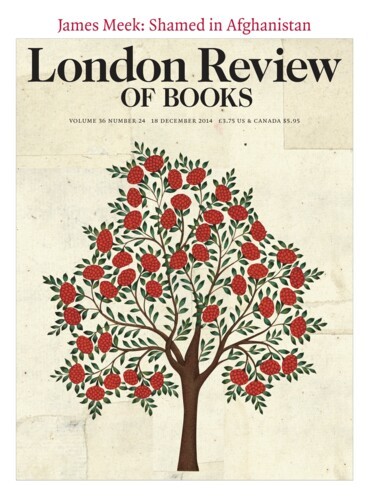
By All Possible Art: George Herbert

Tobias Gregory, 18 December 2014

For​ the gospel message to come as good news, one must first be convinced of some really bad news. This bad news is not obvious, and the devout must work hard to keep it vivid in the minds of their children, their neighbours and themselves. That each of us does a mix of good and bad things is uncontroversial. But to declare the bad and not the good fundamental to human nature, call it...
They rudely stare about: Thomas Browne

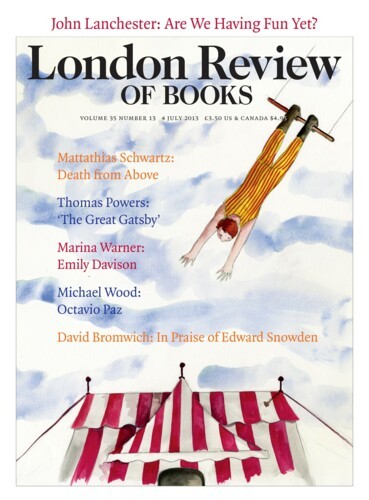
Tobias Gregory, 4 July 2013

It is still often proposed that religion and science need not conflict. Stephen Jay Gould held that they occupy ‘non-overlapping magisteria’: science deals with questions of fact, religion with questions of value and meaning. This is wishful thinking, because religions base themselves on factual claims. The god Yahweh promised the land of Canaan to Abraham and his descendants;...

Runagately Rogue: Puritans and Others

Tobias Gregory, 25 August 2011

There is plenty of evidence about the religious beliefs of the ‘plain man’ in early modern England, but it tells us more about the devout and the learned than it does about the lukewarm, the ignorant, the sceptical, or those who muddled through. We know a lot about godly ministers, in their own words and in those of their detractors; we know less about their parishioners. We know...

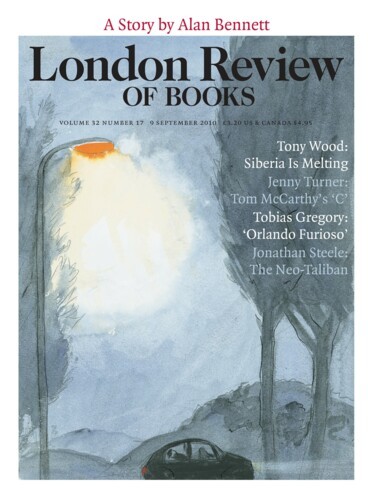
Mad for Love: ‘Orlando Furioso’

Tobias Gregory, 9 September 2010

Although Orlando Furioso has comic elements, it is not a comic poem. It is a chivalric romance which incorporates traditional matter – duels, jousts, quests, amorous adventures, damsels in distress, Christians v. Saracens, monsters, magic – as well as Virgilian episodes, bawdy tales, metafictional gestures, a running debate about female virtue, wry commentary on the follies of...

Auden remarked that to read pornography in any other way than as a sexual stimulus is to be bored to tears. Crime fiction is similar: you read it for the story, and literary pretensions are unwelcome. The right style is spare, understated. You don’t want philosophy, psychology, political reflections, purple passages or digressions on the Battle of Waterloo. You don’t want displays...

Read anywhere with the London Review of Books app, available now from the App Store for Apple devices, Google Play for Android devices and Amazon for your Kindle Fire.

Sign up to our newsletter

For highlights from the latest issue, our archive and the blog, as well as news, events and exclusive promotions.

Newsletter Preferences